Permaculture & Food Security · Program overview
Growing food with the water available.
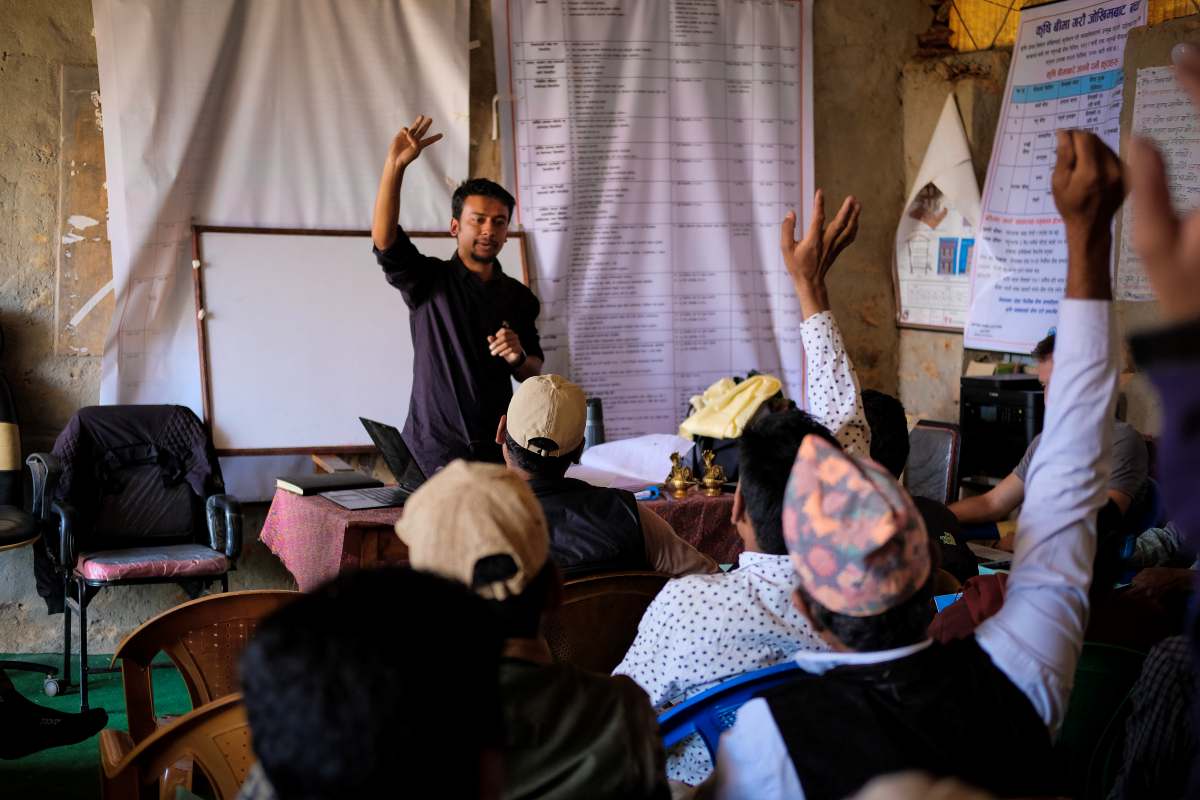
Practical workshops help families care for soil, plan crops and make good use of household growing space.
Planned activity: a practical workshop, typically one to two weeks. The current planning estimate is C$4,560 per workshop; this is not an announced session date or a fixed-price donation package.
Start with the household garden
A small plot can contribute vegetables and other foods, but water alone is not enough. Soil condition, seed, seasonal timing and the time a family can spend tending plants all affect what grows.
Training is most useful when it responds to those everyday conditions. Advice for one hillside or season may not suit another. Participants need room to discuss their own land, available water and experience, and to try techniques they can continue using at home.
What a workshop can cover
- Composting and soil care using locally available materials.
- Planning mixed crops and choosing planting times.
- Seed saving and sharing local growing knowledge.
- Water-wise gardening and small-scale irrigation where suitable.
- Managing a kitchen garden alongside other household work.
These topics are intended to support more varied household food production. A workshop does not guarantee a harvest, an income increase or a particular nutrition outcome. Follow-through, weather, inputs and local conditions matter.
How delivery is organized
Friends of VIN Canada supports defined training activities through Nepali partners. VIN brings experience in local education and community coordination. The content, site and group should be shaped around the participants who will use the skills.
The estimated workshop budget provides a planning scale. Facilitation, transport, materials, location and participant needs can change the final cost. Dates and participants are not announced on this page; contact the charity for current plans.
The connection with water security
Permaculture education is an activity area in its own right and also forms part of the household water approach. A supply closer to home can make a garden more practical, while growing skills help families decide how to use limited water.
The 2026 water project includes training and a connection for suitable greywater reuse. Its garden provision is at household scale, not a promise of large-scale irrigation. The water case study describes that design and shows VIN gardening photographs as context.
What we want the training to make possible
The aim is for participants to leave with methods they can apply, adapt and share: preparing a bed, looking after soil, selecting crops and planning water use. The most useful measure is whether the learning fits daily practice, rather than how many topics a workshop covers.
Support our work in Nepal.
Give to Friends of VIN Canada through CanadaHelps. Donations support the charity’s work generally, rather than a particular project.