Water security / A local partnership in practice
Water at home in Okhaldhunga
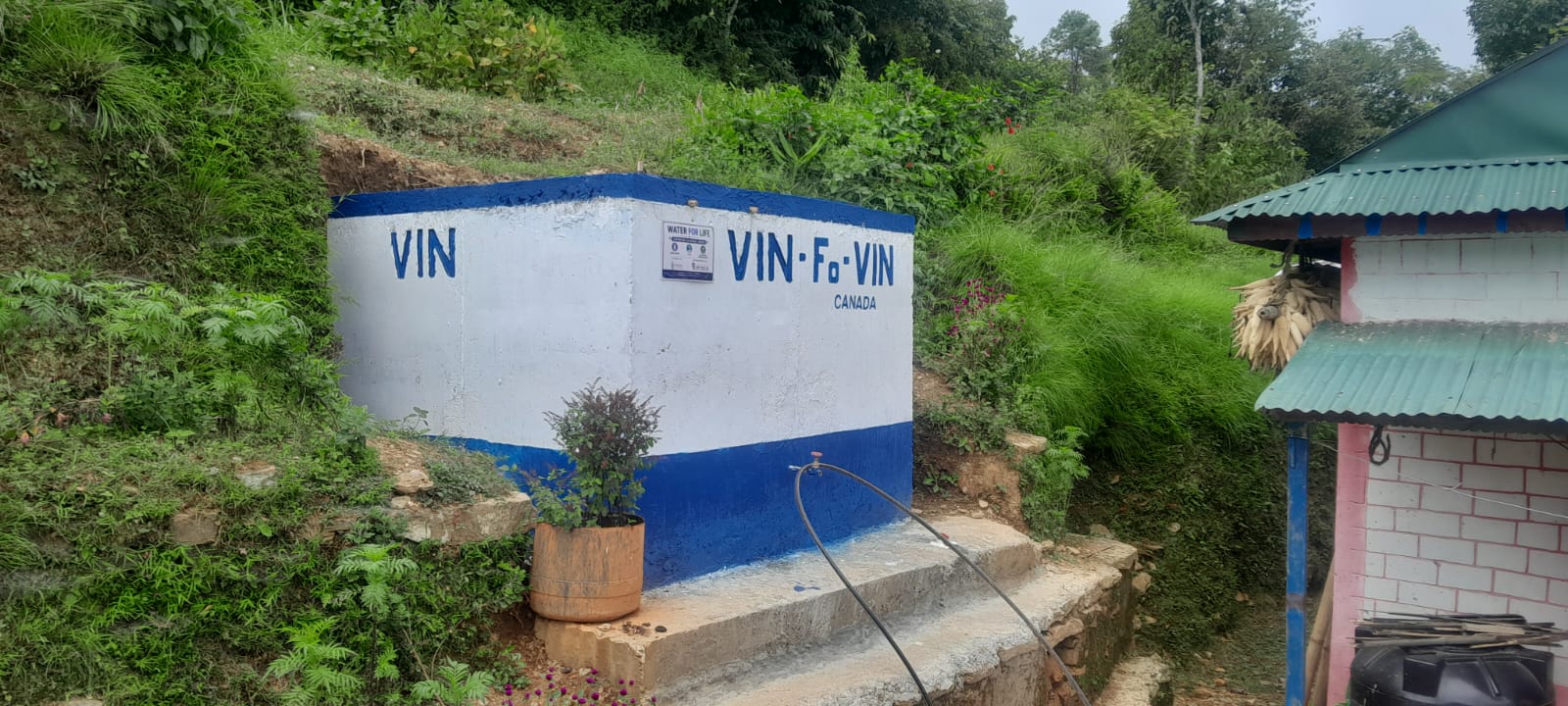
A tank beside the house can change the daily work of collecting water. In five communities in Nepal, Friends of VIN Canada is funding household systems that combine rainwater storage, safer water use and support for growing food. VIN and participating families organize the work on the ground.
A project account from Friends of VIN Canada, based on project documents, photographs and field reporting supplied by Volunteers Initiative Nepal (VIN).
The 2026 project scope
- household systems planned
- 11
- communities in Okhaldhunga
- 5
- tank capacity per household
- 4,000 L
- agreed project budget
- C$20,802
01 / The challenge
The water is down the hill. Daily life is up here.
In Okhaldhunga, homes and fields sit on ridges and terraces above the river valleys. A water source may look close on a map and still require a long walk down a rough path, followed by a much harder climb with a full container.
VIN describes a supply that has become less dependable: erratic monsoon rainfall, longer dry spells and changes to mountain springs after the 2015 earthquake. For scattered hillside homes, pumping water up from the valley is expensive. Extending a single piped network to every household is difficult too.
The burden reaches well beyond the trip itself. In its earlier projects, VIN recorded households spending up to four hours a day collecting water, often work done by women and girls. Cooking, washing and caring for children all depend on what can be carried home, leaving little water for growing vegetables during dry spells.
The response is to store rainwater beside the house and make each collection last longer. The 2026 project brings that approach to 11 households, with local construction, household training and a place for gardening in the design.
Water scarcity across the surrounding hills
Similar challenges have been documented in neighbouring Khotang. In an October 2025 account, the United Nations Development Programme (UNDP) described families collecting roof runoff for washing, livestock and vegetable gardens, reducing the need to carry water from a shared source. Its wider programme across Khotang and Okhaldhunga combined rainwater harvesting with water-source protection and support for farming.
That experience helps explain the thinking behind this project: store water near the household, plan how it will be used, and involve the people who will maintain the system.
02 / The response
A household supply, from the roof to the garden.
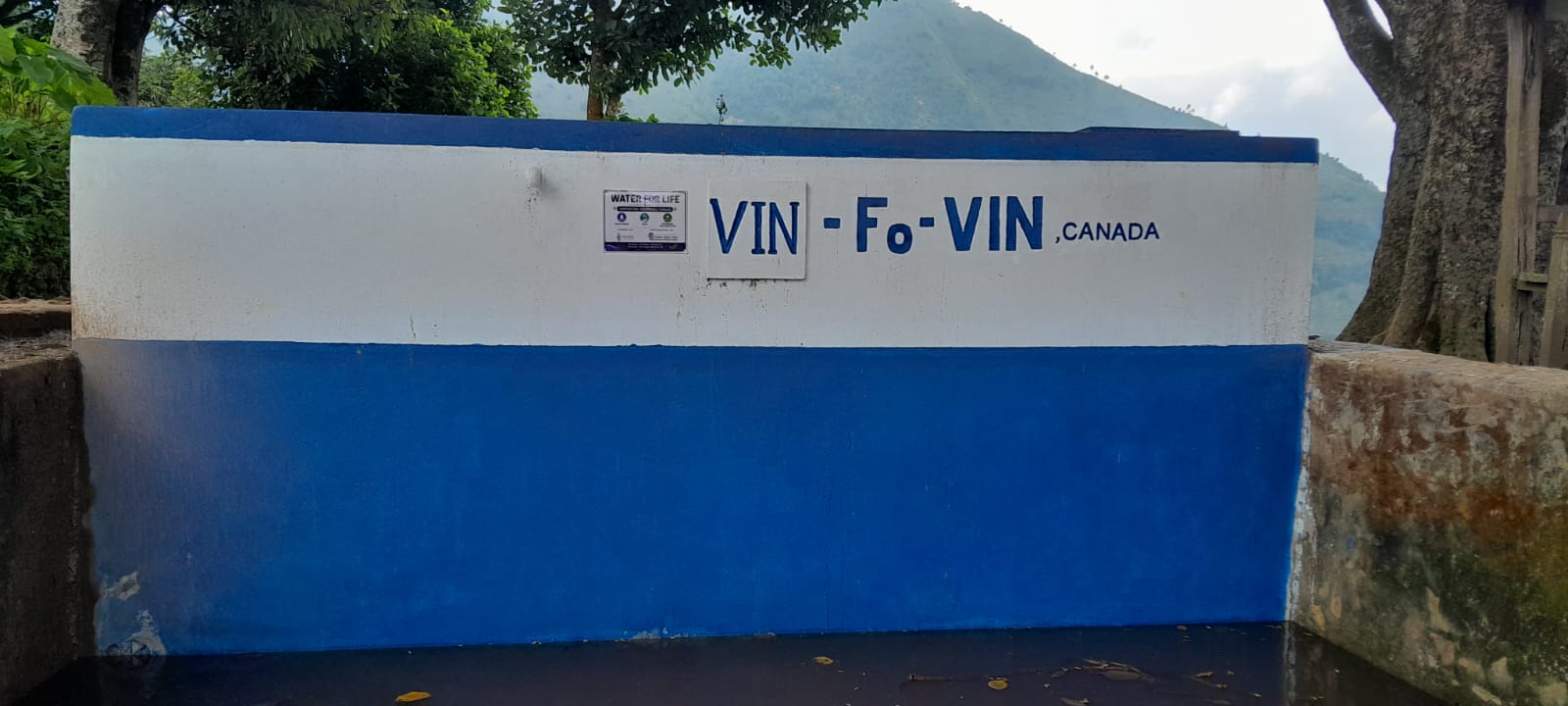
The household system starts at the roof. Gutters and downpipes collect rain and carry it into a 4,000-litre tank. Screening and a first-flush arrangement help keep leaves, roof dust and the first dirty runoff out of storage. The tank gives the household a reserve that can be drawn at a nearby tap.
Storage is one part of the job. The project also includes household water treatment, a washing area, drainage and hygiene education. The current treatment approach is described by the project team as seven-stage filtration with UV treatment. It is intended to avoid the water losses associated with the earlier reverse-osmosis approach.
After washing, suitable household water can have a further use. The design includes a 500-litre greywater settlement tank and a connection to a kitchen garden, with the arrangement adapted to the site.
Collect and store
Roof catchment, screening, first-flush control and a 4,000-litre tank bring rainwater into household storage.
Treat and use
Household filtration, a tap and a washing area make the supply useful for everyday tasks.
Reuse for growing
A separate greywater tank and garden connection make suitable wash water useful again.
A design that can be looked after locally
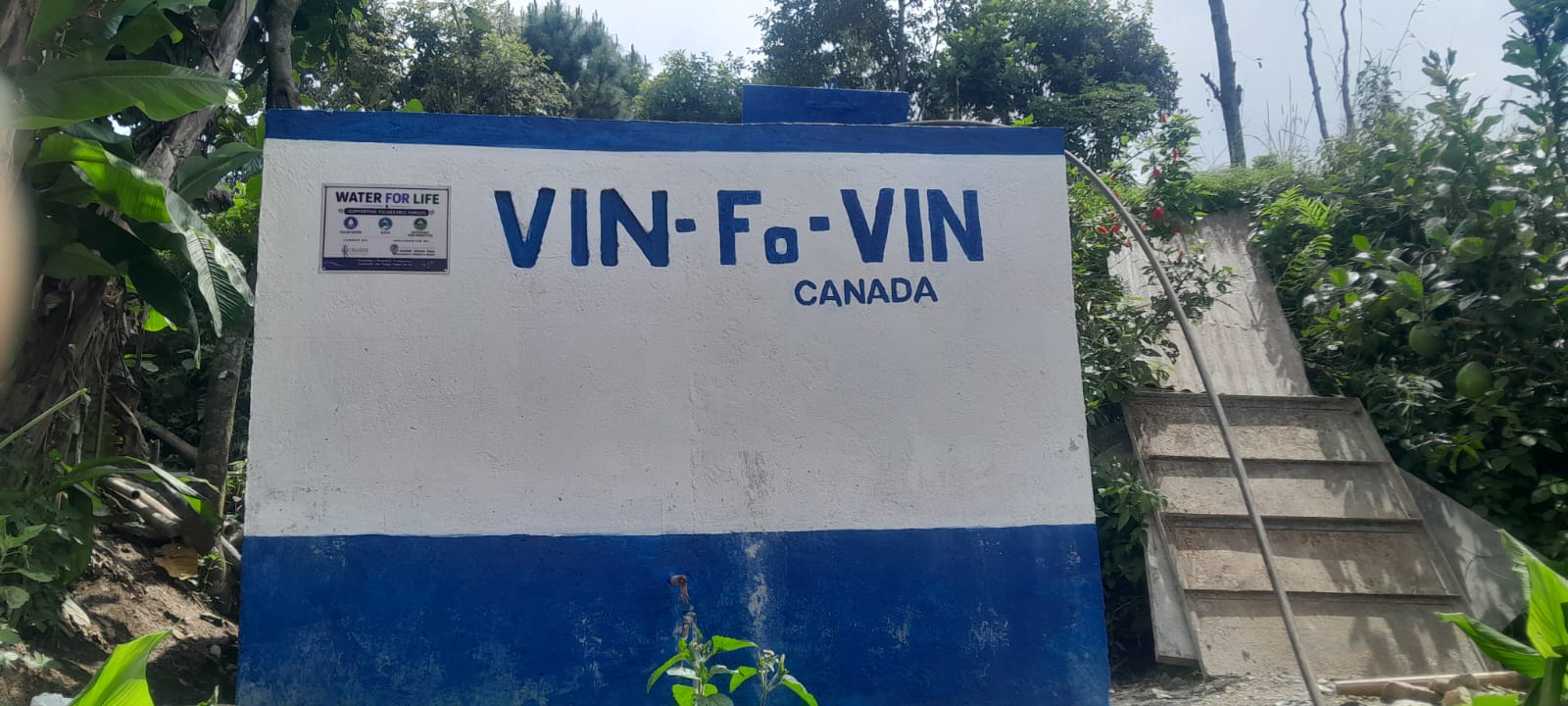
Masonry, pipework, taps and fittings need to suit the slope and the space beside each home. VIN coordinates the technical work with local crews; families learn how to operate valves, clean the system and look after the filter.
The point is a useful household installation, with routine care that does not depend on an outside team returning for every small repair.
Water and food at the household
A kitchen garden belongs in the plan.
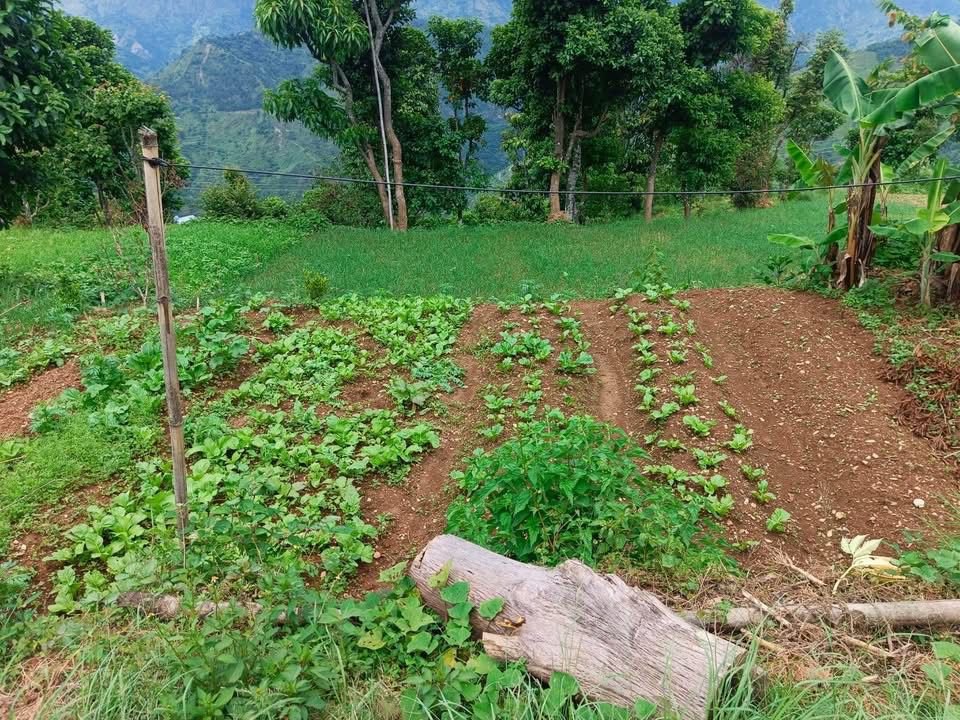
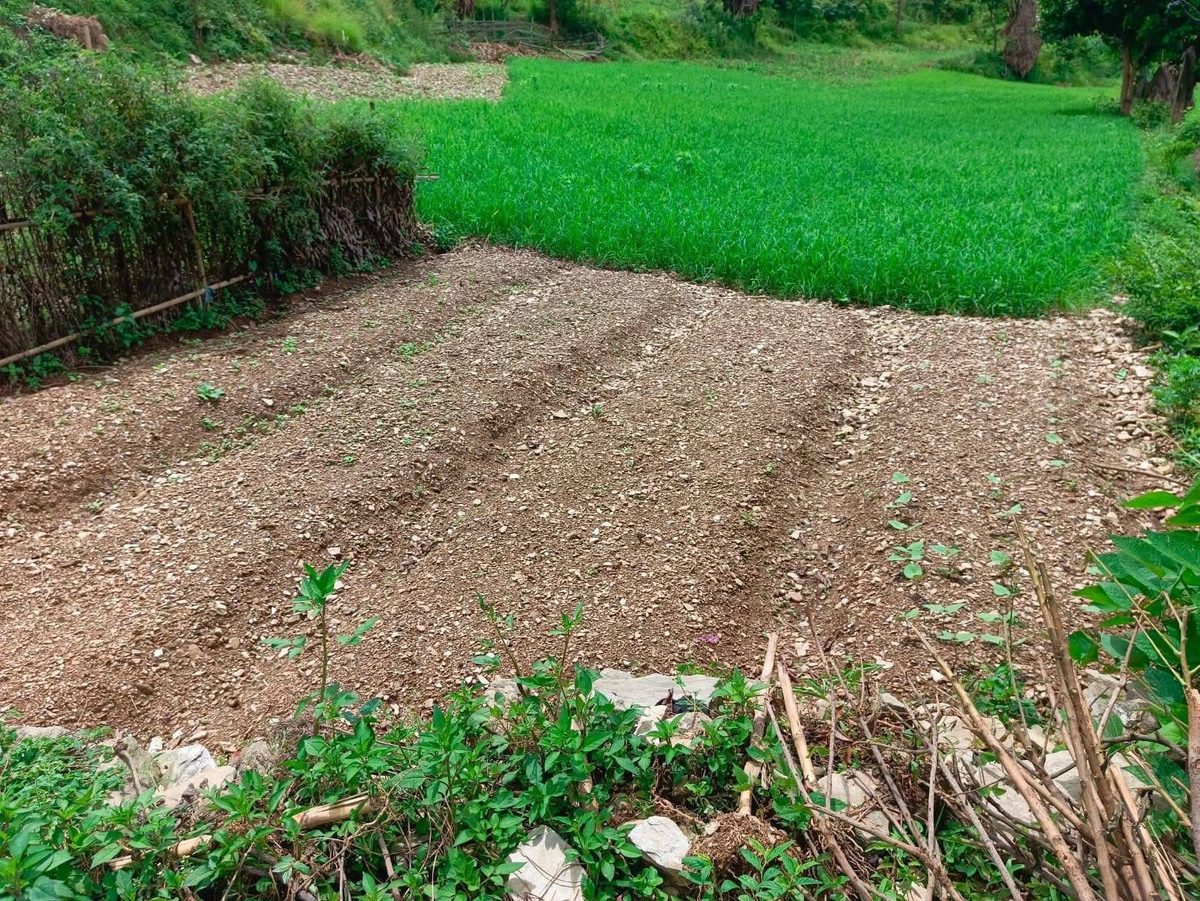
A small plot needs water at the right time, along with soil preparation, seed and regular care. The project pairs its water systems with permaculture training so families can make practical use of the space and water available to them.
Cultivated beds and rows of young plants show the household scale of VIN’s gardening approach. The work involves preparing soil, choosing crops and tending a manageable plot with the water available.
03 / Local delivery
How the partnership gets the work done.
For this project, local representatives help identify households according to water access, vulnerability, family circumstances and site suitability. VIN coordinates materials and technical supervision; local crews handle masonry and plumbing, while families and neighbours may help prepare the site, move materials or supply local stone.
Families learn how to clean the system, operate valves and care for the filter. Local groups can help organize repairs and replacement fittings. Friends of VIN Canada agrees the scope and budget, provides funding and reviews VIN’s activity and financial reports.
At the 2026 Nepal launch of the UN World Water Development Report, UNESCO highlighted both the burden of water collection on women and girls and the importance of women’s knowledge in managing water. For this project, that makes household participation important from site planning through to day-to-day care.
04 / Experience behind the project
VIN brings experience from earlier household water projects.
The 2026 work builds on an approach VIN has used in other rural communities. Its project dossier describes household installations, maintenance arrangements and follow-up interviews. The figures below are VIN’s reported track record, separate from the current Canadian-charity project.
VIN-reported earlier work · Not 2026 project totals
- tanks reported across VIN’s rural partner communities
- 142
- household installations reported during 2023–2024
- 106
- people reported reached by those 2023–2024 installations
- 553
“Water did not only save time. It gave back choice. Within one year, our family produced about 240-250 kilograms of potatoes and sold around 200 kilograms, earning nearly 11,000 NPR.”
Source: VIN’s Sustainable Livelihood & Food Production project dossier, supplied September 2026.
What that experience means for this project
The connection between water, time and growing food is why the 2026 scope goes beyond a storage tank. A supply beside the house can leave more time for other work; a usable garden connection can help a family grow food. The benefit depends on rainfall, household needs, maintenance and how the system is used.
For Friends of VIN Canada, working with VIN brings field staff, construction experience and established community relationships to a defined project. Funding is tied to practical work that can be followed at the household level.
The approach is consistent with UN Sustainable Development Goal 6: target 6.a includes water harvesting and reuse, while target 6.b calls for local communities to participate in water management. These are shared priorities, not a UN affiliation or endorsement of this project.
Support the work
Support our work in Nepal.
Give to Friends of VIN Canada through CanadaHelps. Donations currently support the charity’s work generally, rather than being designated to this project.
CanadaHelps processes donations and issues Canadian tax receipts.
Project record
Reporting and the next update
The 2026 project is in progress. The 11 systems, five communities, tank capacity and budget describe its agreed scope, not a final installation count. VIN provides quarterly activity and financial reporting, with the completion report due by the end of January 2027.
That report will establish completed installations, households served, final costs and the installed treatment specification. We will update this case study with those results and the project’s reported household outcomes.
Last updated .